
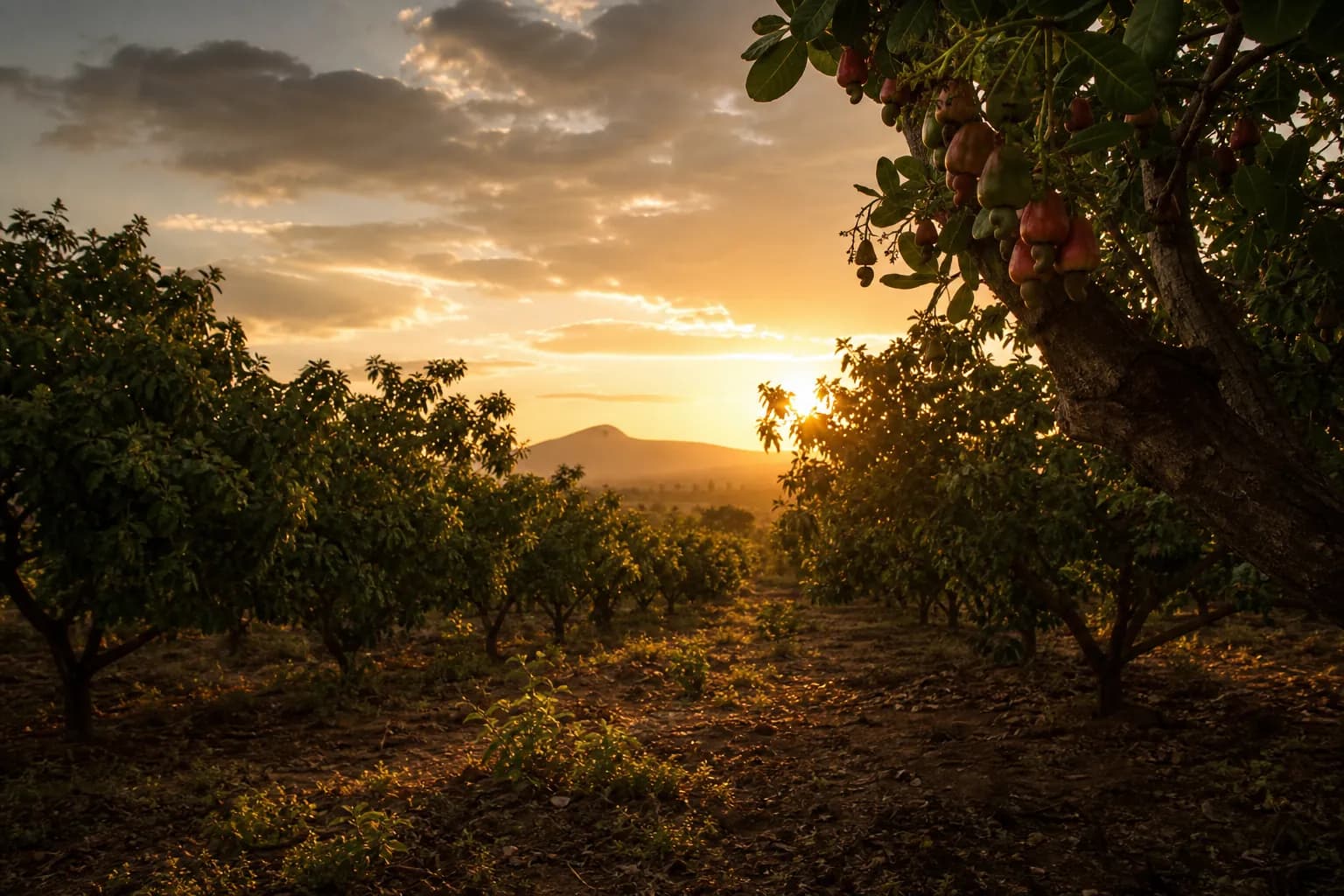
Tanzania and India are linked in the cashew trade more than most buyers realise. Tanzania is the largest cashew producer in Africa and one of the largest globally, India is the world's largest cashew consumer and one of its two biggest processors, and a large share of Tanzanian raw cashew nuts ships to India and Vietnam to be shelled, graded and re-exported. Buyers choosing between 'Tanzanian cashews' and 'Indian cashews' are often choosing between two stages of the same supply chain. This is what changes between them for wholesale procurement.
Producer vs processor
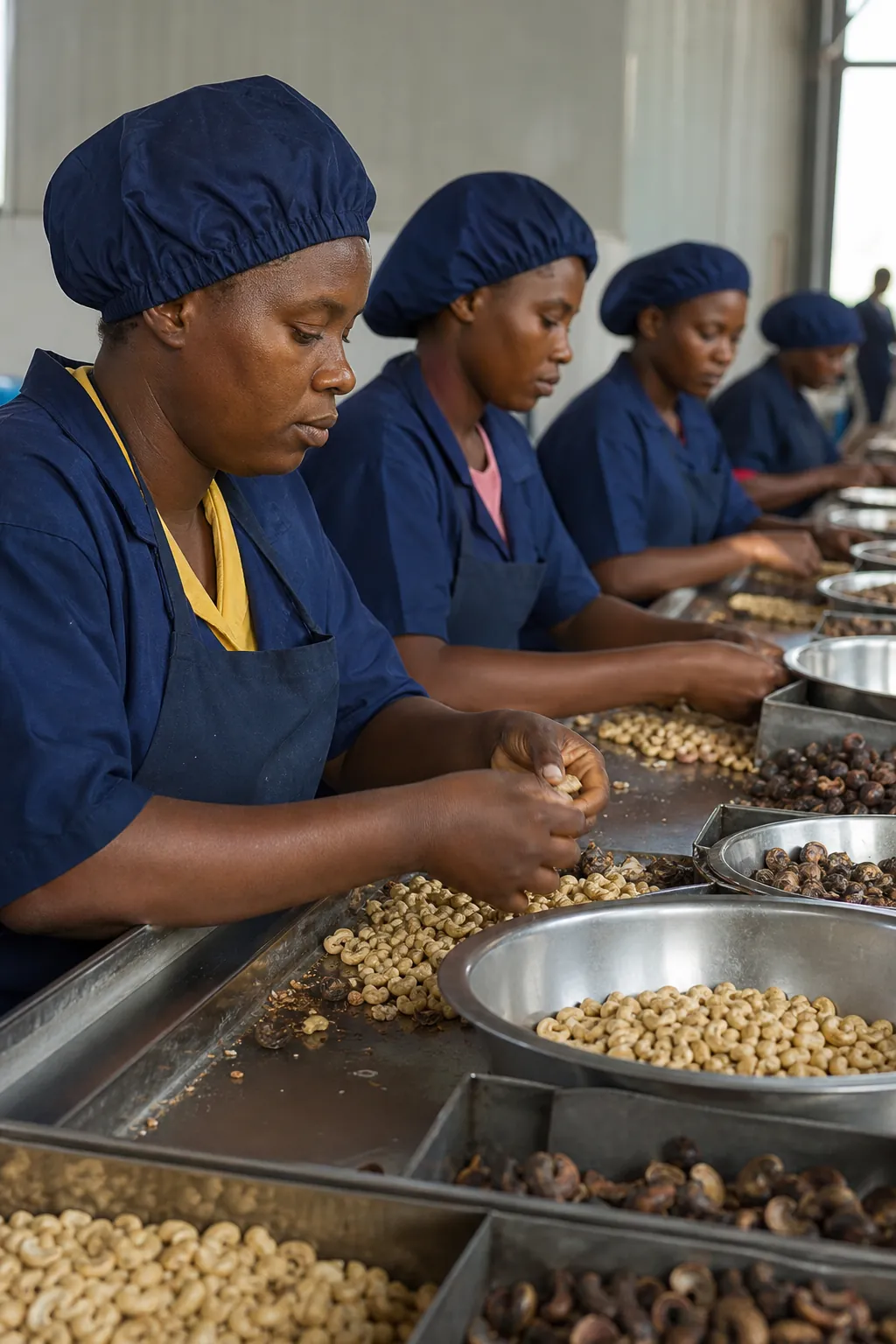
Tanzania's role in global cashew is primarily as a producer of raw cashew nuts (RCN). India and Vietnam together account for the bulk of global shelling capacity — Vietnam alone processes around half of the world's kernels in any given year. Tanzanian processing has grown sharply in recent years, but a meaningful share of the country's RCN still ships unshelled to Asian processors. Where a kernel was shelled is often a different question from where the nut was grown.
Kernel size and character
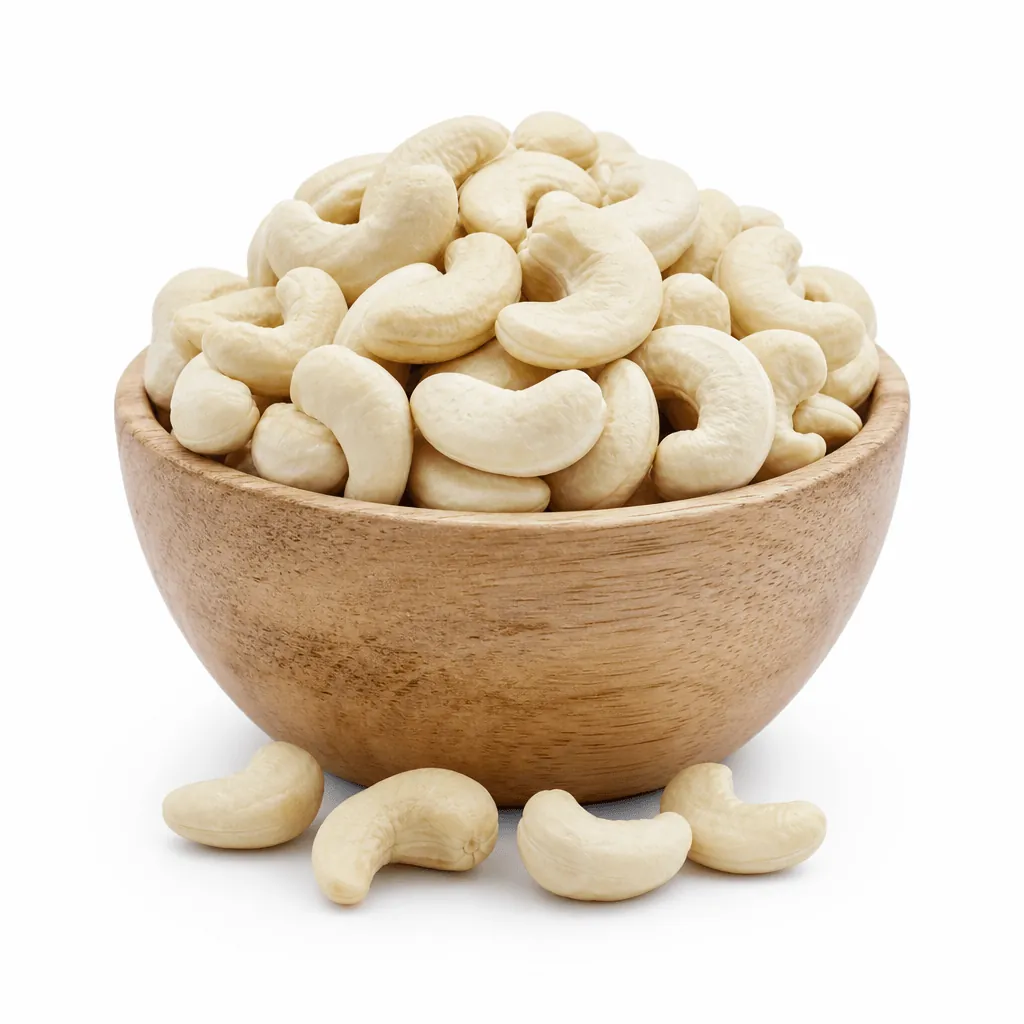
Tanzanian cashews tend to be larger and creamier in colour than the average Indian-origin kernel, with strong out-turn on bold lots — that is why southern Tanzanian RCN is in steady demand from Indian and Vietnamese processors. The W240 and W320 grades are widely available from kernel programmes built around both origins; the main visible differences sit at the larger end of the white-whole spectrum.
When sourcing direct from Tanzania makes sense
- You want single-origin traceability tied to a specific district and harvest window.
- You are buying RCN or processing-grade kernels and value out-turn over kernel breadth.
- Your destination market rewards a 'sourced from origin' or African-origin narrative.
- You want a shorter supply chain — one stage of intermediation removed.
When buying from an Indian processor makes sense
- You need consistent supply across the year regardless of African harvest timing.
- Your programme depends on broad grade availability and consistent breakdown across lots.
- Your buyer programme already aligns with established Indian processor certifications.
- You are sourcing already-roasted, already-coated or already-flavoured cashews.
“Tanzania-origin and India-processed are not opposites. They are stages — and most buyers will end up using both. The question is which stage to buy at, and what you give up at the other.”
- Asha Ngonyani, Quality Manager
Single-origin vs blended-origin
The biggest practical difference between buying direct from Tanzania and buying from an Indian processor is single-origin discipline. Direct Tanzanian lots can be tied to specific districts — Mtwara, Lindi, Ruvuma or Tunduru — and to a defined harvest window. Indian processors often run blended-origin programmes that mix African RCN from several countries; that is a feature for consistent kernel breakdown, but it is the opposite of single-origin traceability.
Quality controls, lot by lot
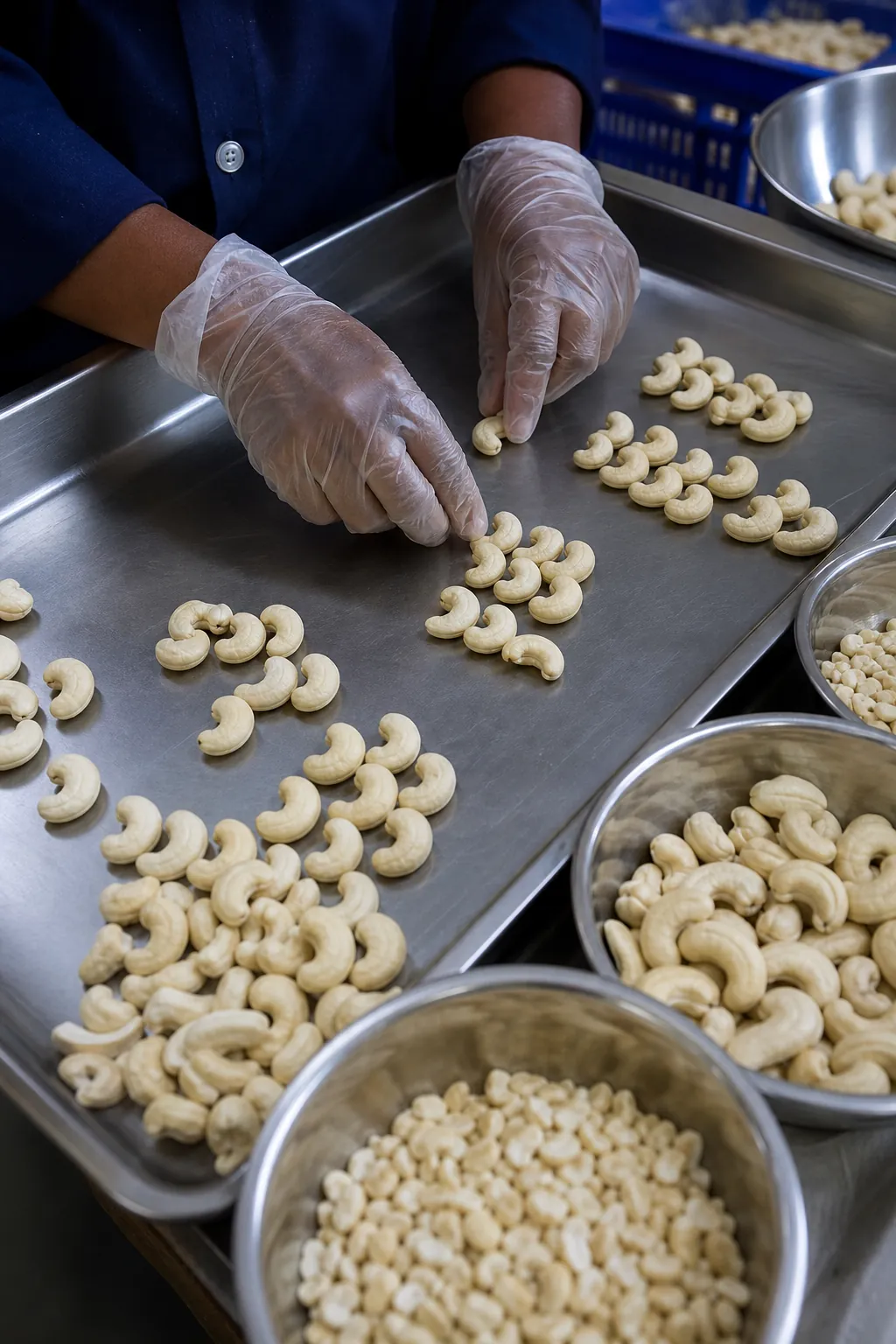
International standards apply regardless of origin. The W-grade naming convention is published by the International Nut and Dried Fruit Council and is used by both Tanzanian and Indian exporters. EU food law sets the same aflatoxin thresholds for tree nuts whatever the origin — 2 µg/kg B1 and 4 µg/kg total for ready-to-eat — and serious exporters from either origin test against the destination market's limit, not the producing country's.
Related reading
Leave a Comment
Your email address will not be published.