

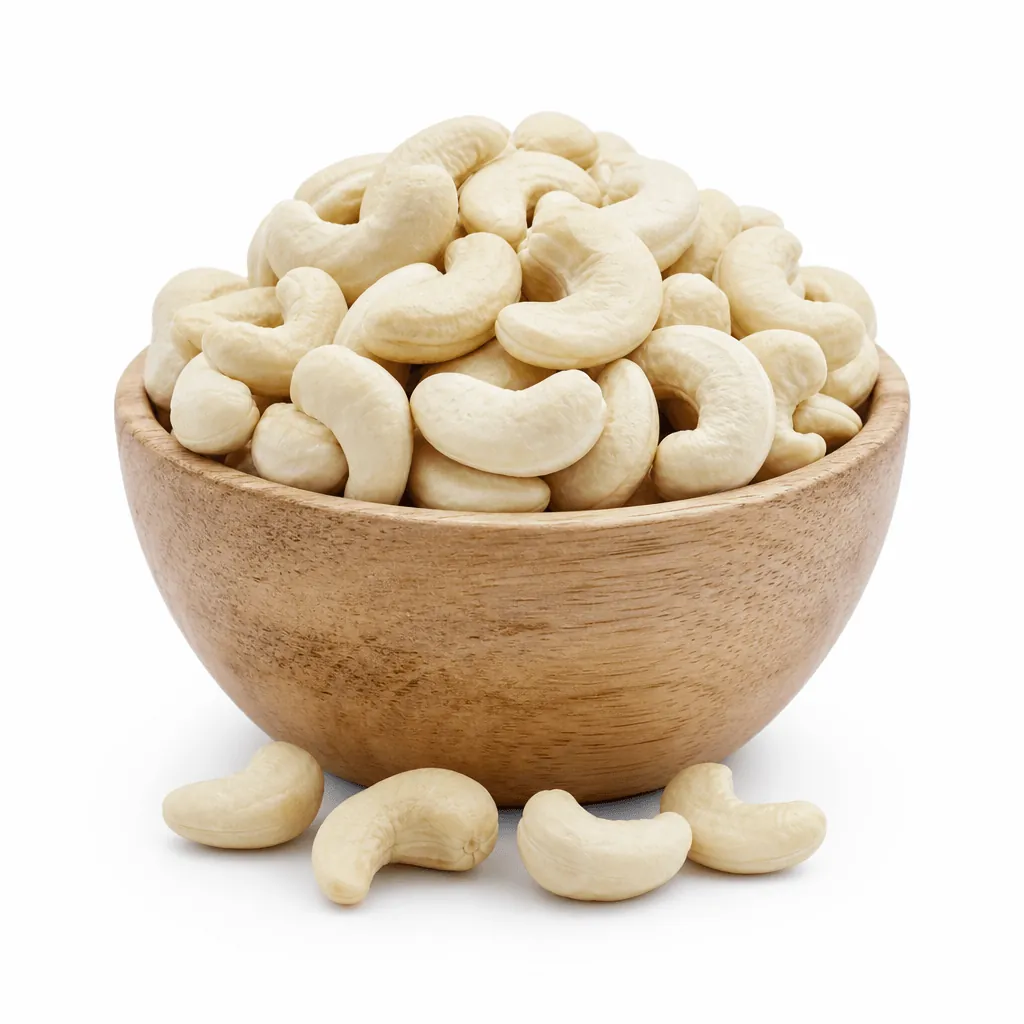
The minimum order quantity for wholesale cashew kernels from Tanzania starts at one 20-foot container — roughly 12.5 metric tons of vacuum-packed kernels or 17 to 18 metric tons of raw cashew nuts in 80 kg polypropylene bags. Below that, the maths of FOB shipping stops working: ocean freight rates per kilogram balloon, port-side documentation costs stay fixed, and processors cannot economically run a small lot. Above one container, the conversation becomes interesting — terms improve, kernel-grade allocation flexes, and contract pricing softens against spot.
Why one container is the floor
A 20-foot ocean container is the smallest unit that splits the cost of phytosanitary documentation, certificate of origin, customs handling and shipping-line minimums across a meaningful volume. Below that line you are paying for a full container's overhead while filling half of it — buyers who try to ship sub-container volumes typically find their landed cost per kilogram rising 30–60 per cent versus a full lot.
What changes at each scale
- 1 × 20-ft container — the entry point. Either a single grade (e.g. all W320) or a split-grade load. Spot pricing applies; standard documentation set; one bill of lading.
- 2–3 × 20-ft per quarter — small programme. Better grade flexibility, cleaner allocation across harvest weeks, modest contract pricing improvement against spot.
- 5+ × 20-ft per quarter — meaningful programme. Direct procurement conversations open up. Multi-grade contracts get negotiated as a package; advance allocation against the new crop is possible.
- 10+ × 20-ft per quarter — strategic. Container-volume commitments shape our harvest planning across multiple districts; deferred-shipment contracts and indexed pricing structures become viable.
“MOQ is not really about quantity — it is about whether the freight math, the documentation math and the processing math all add up at your volume. One container is where they start to.”
- Daniel Mahenge, Logistics Coordinator
Common sizing questions
First-time buyers often ask whether mixed-grade containers are possible. They are — a 20-ft container can hold one grade, two grades split across the load, or up to three or four grades if the contract specifies clear separation. The trade-off is documentation complexity: each grade needs its own lab and quality reports, which slows the export documentation cycle by a day or two. For pilot orders, a single-grade container is the cleanest first move.
Another frequent question is whether a single-grade container can be partially loaded with samples of other grades. We can include one or two cartons of secondary grades — labelled as samples, not sold — at no additional freight cost. This is the lowest-friction way to evaluate a second grade before committing a future container.
What we'd ask before sizing your order
- What is the kernel turnover at your facility per month — single line, or multiple products drawing on the same nut?
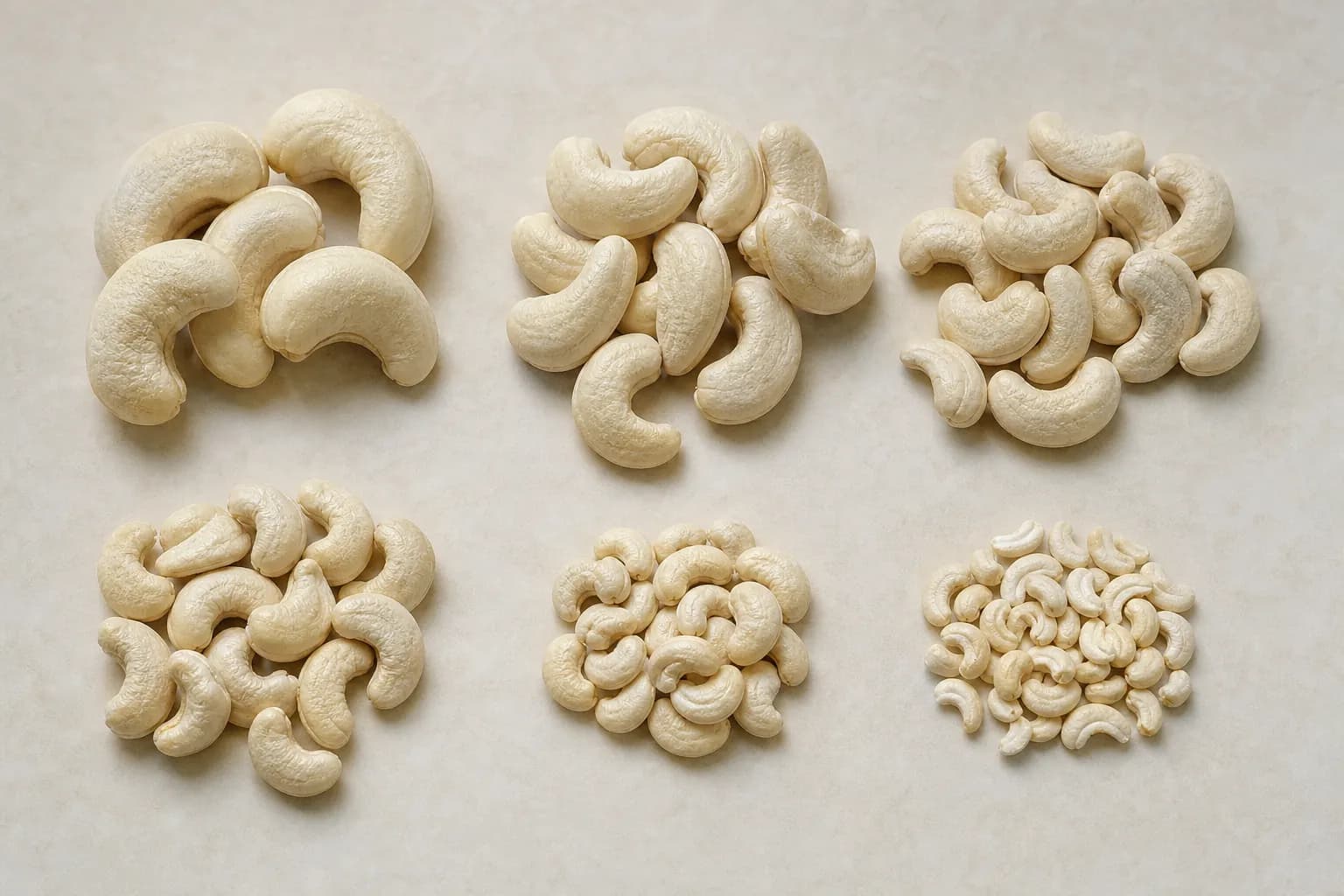
- What grade ratio works for your product mix — heavy on W320, or split across W240 and W180?
- How long will the kernel sit between arrival and use? Vacuum-tin shelf life is generous, but allocation timing matters.
- Is the destination market sensitive to single-origin claims, or is blended-origin acceptable?
- Are you contracting for one purchase or building a programme across the season?
Tell us your destination port and target grade, and we can quote a 1, 2 or 5-container scenario side by side so you see what changes at each band. First containers ship within 30 to 45 days of contract sign-off, depending on document timing and vessel schedule from Mtwara or Dar es Salaam.
Related reading
- Wholesale cashew nuts supplier overview- grades, MOQ, ports and documents in one place
- How to import cashew nuts from Tanzania- End-to-end buyer's playbook
- Packing & shipping cashew nuts- Containers, transit lanes, documentation
- Cashew kernel grades explained- Match grade to end use before sizing the buy
- Buyer FAQ- Payment terms, lead time, certifications
Related reading

Leave a Comment
Your email address will not be published.