
Vietnam processes roughly 60 per cent of the world's cashew kernels and dominates global supply, while Tanzania ranks among the top four producers and is the largest grower in Africa. A buyer choosing between them is really choosing between an origin country, where the nut is grown and shelled, and a processor country, where raw nuts arrive from elsewhere and are turned into the kernel that ships in your container. The two roles serve different sourcing strategies — and the trade-offs matter the moment you sign a contract.
Two roles in the same supply chain
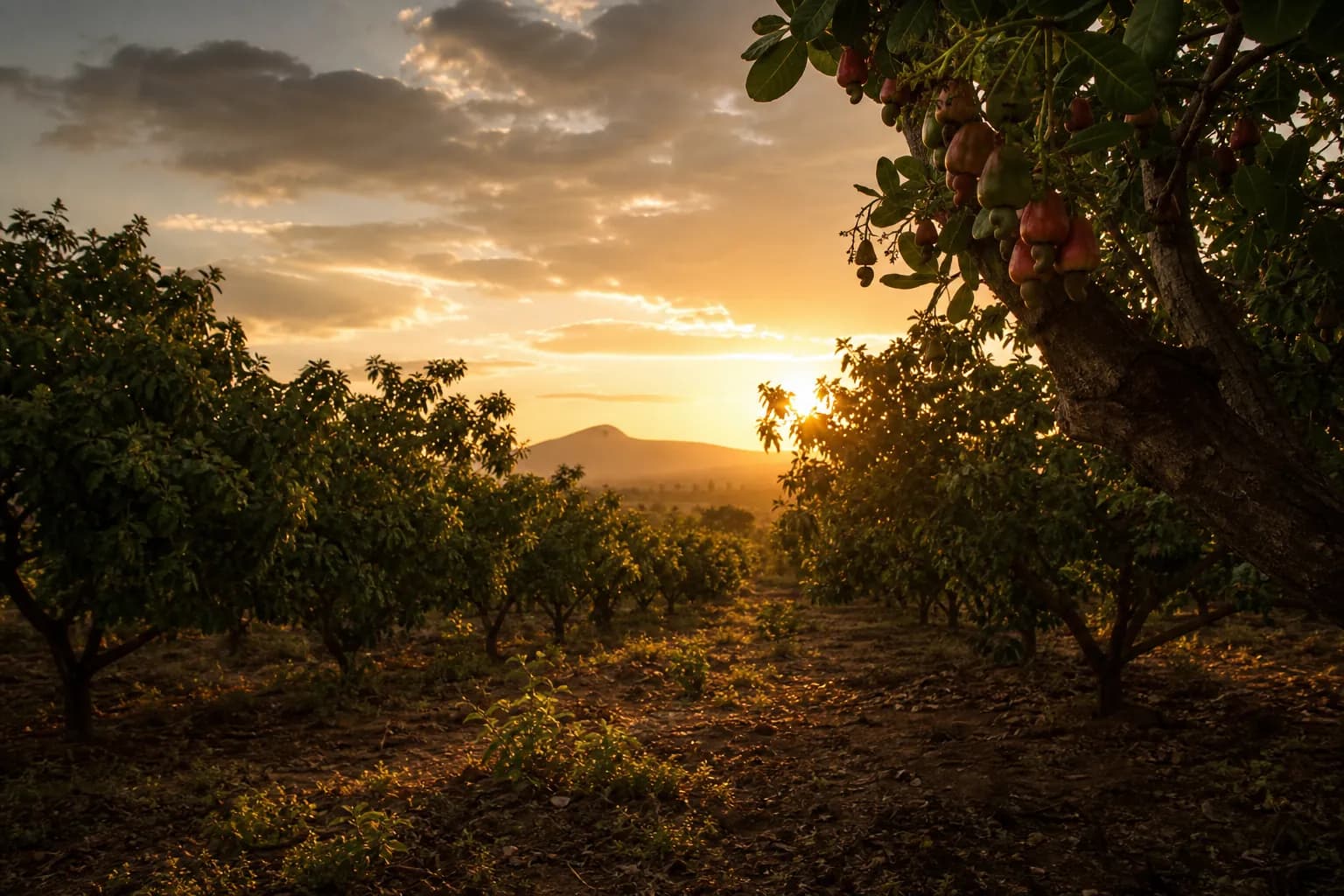
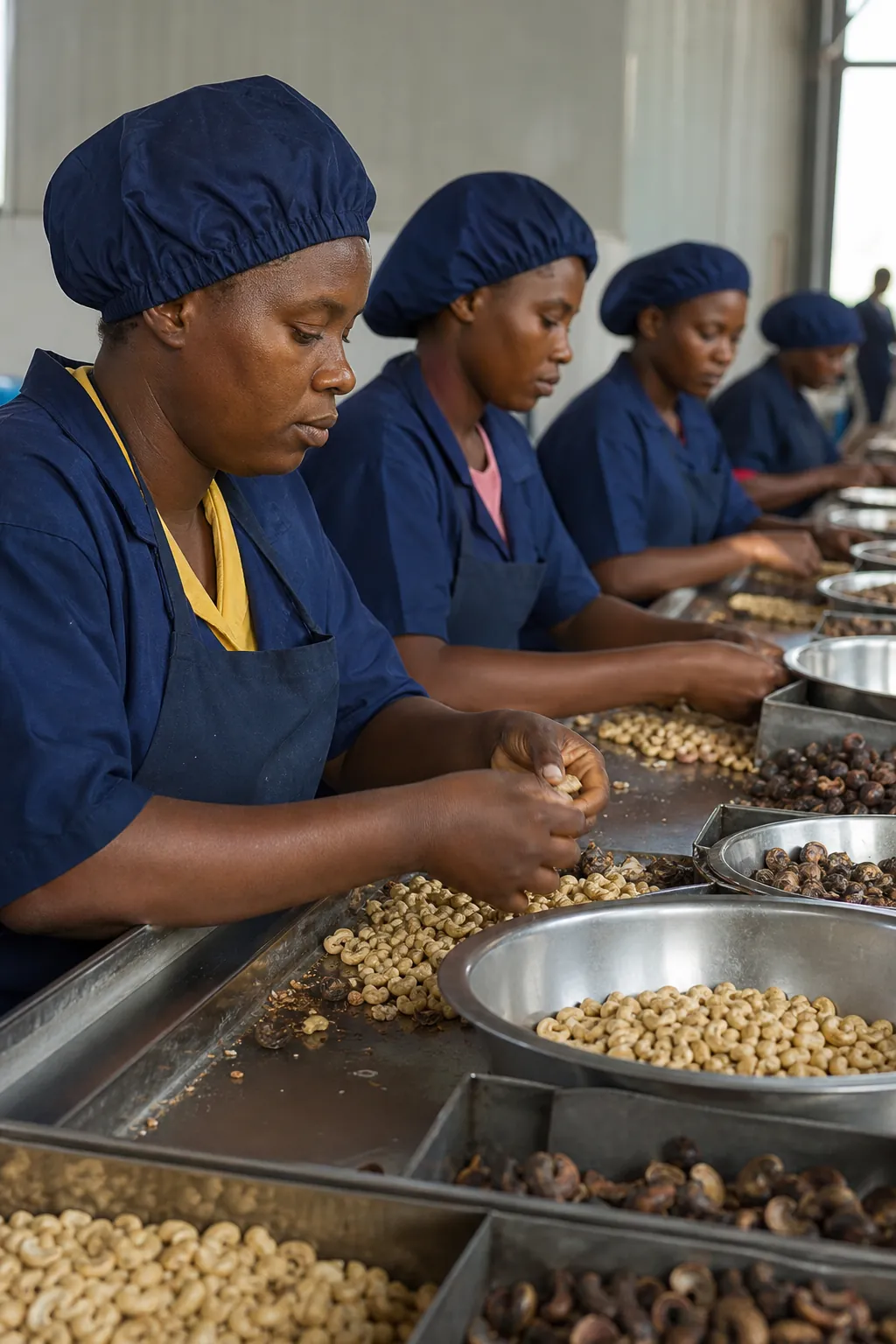
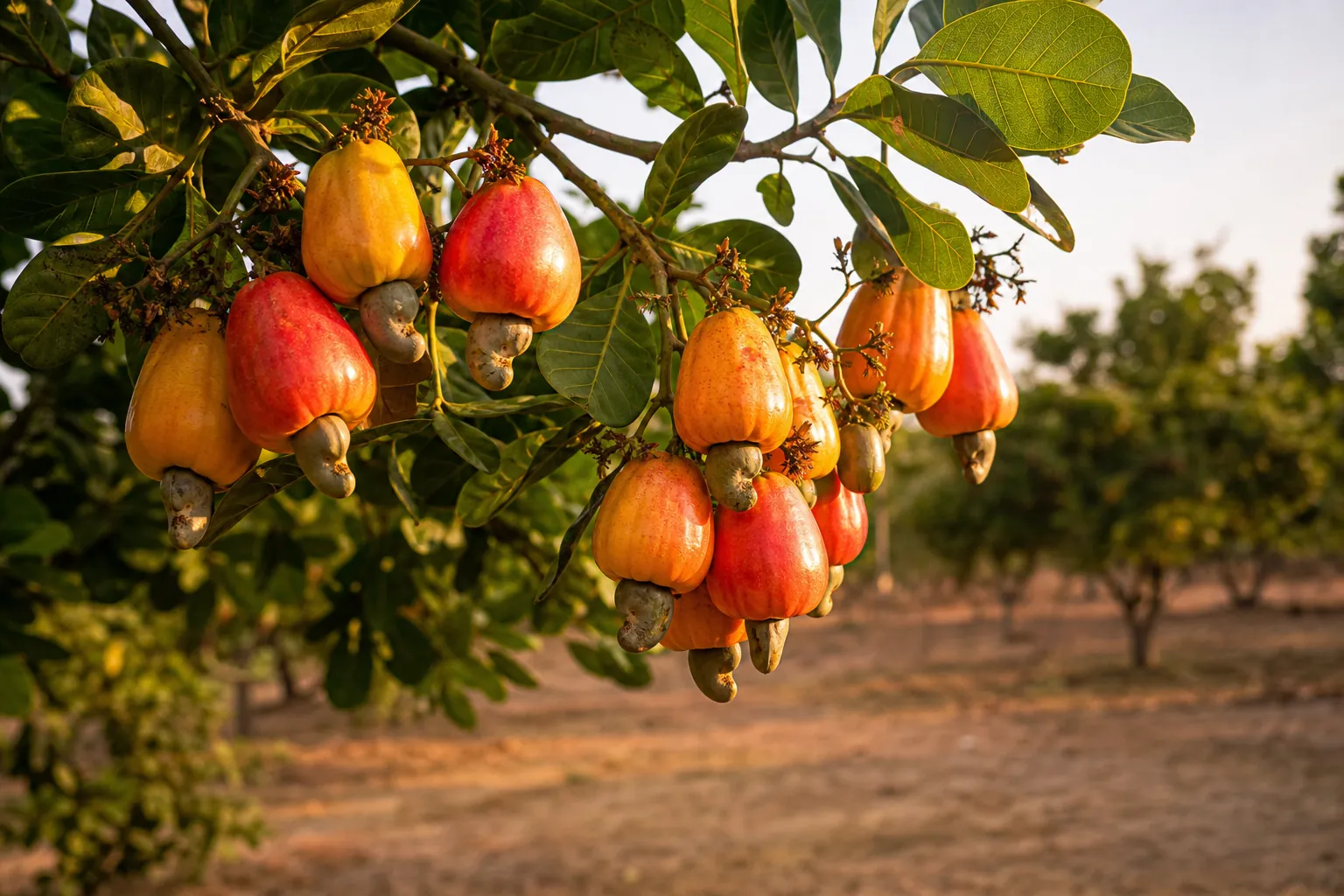
Vietnam built its position on processing scale. Its factories take raw cashew nuts from West Africa, Cambodia and East Africa, shell them, grade them, and re-export the kernels. Tanzania sits at the other end of the same pipe. We grow the nut in Mtwara, Lindi, Ruvuma and Tunduru, and increasingly process those same nuts in-country before export. The pipe has two valves — origin and processor — and each affects what arrives at your destination port.
What Tanzania brings as an origin
- Single-origin lots — each container traceable to specific southern Tanzanian districts and a harvest window inside the October to January season.
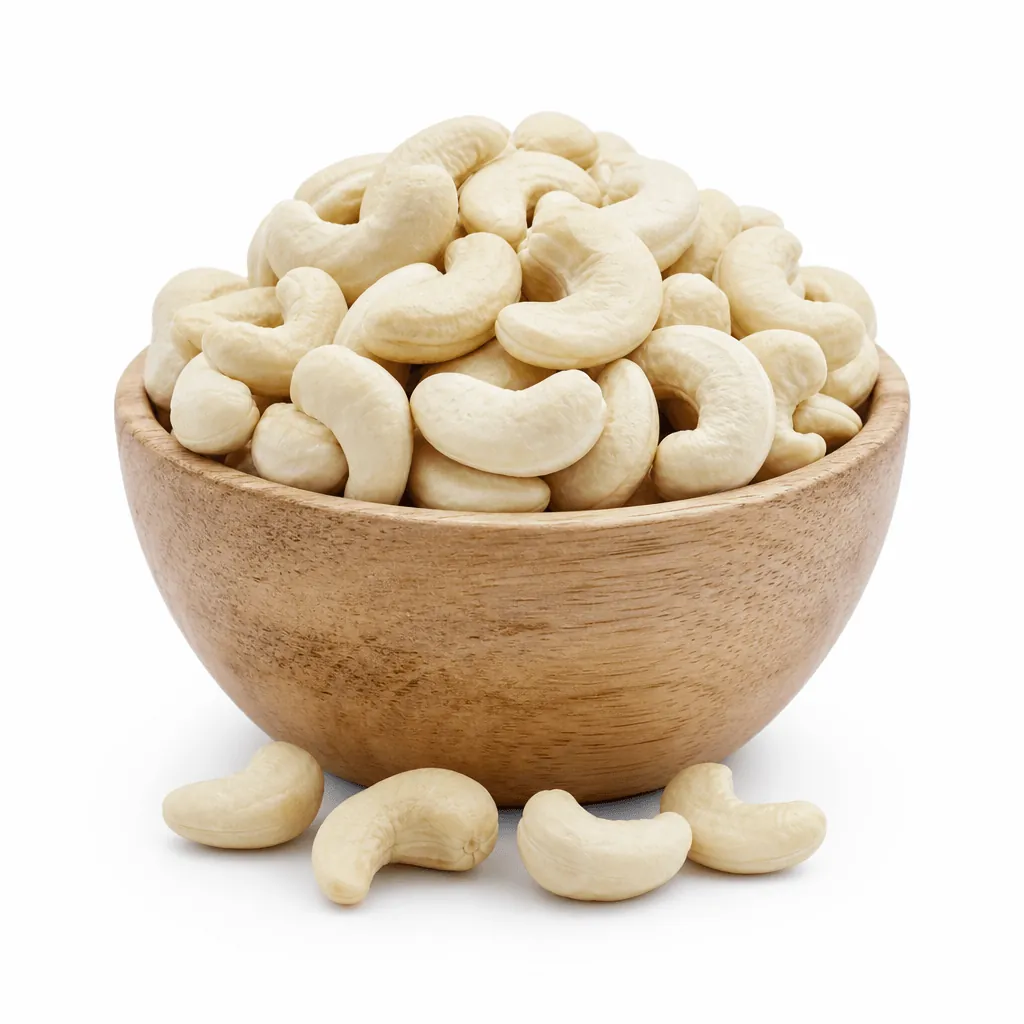
- Recognisable kernel profile — large white wholes with consistent kernel counts, shaped by the soil and climate of one growing region.
- Direct relationships with grower groups — quality and food-safety questions reach the field in hours, not weeks.
- FOB pricing direct from Mtwara Port — fewer intermediaries between the farm gate and your bill of lading.
- Documentation tied to specific lots — phytosanitary, certificate of origin and aflatoxin reports reference the harvest, not a blended pool.
What Vietnam brings as a processor
- Scale — high-throughput shelling and grading lines built around large-volume contracts.
- Mature processing tooling — defect sorting, sizing and packing optimised over decades.
- Established buyer relationships across Europe and North America.
- Wide product range — the same factory often handles roasted, salted and value-added kernels.
- Blended-origin volumes — useful when consistent supply matters more than knowing where a nut grew.
Side-by-side: a buyer's view
- Traceability: Tanzania single-origin · Vietnam blended-origin from multiple sources.
- Kernel character: Tanzania nuts trend larger and creamier · Vietnam delivers tight-tolerance commercial grades.
- Lead time from Tanzania: 10–14 days to the Gulf, 14–21 to India, 21–28 to South-East Asia, 30–35 to northern Europe.
- Documentation: Tanzania lot-specific · Vietnam often pool-level by grade.
- Pricing dynamic: Tanzania prices respond to the local harvest; Vietnam absorbs RCN price moves from across Africa.
“An origin country sells you a nut with a postcode. A processor country sells you a kernel with a specification. Both have their place — but they answer different questions a buyer is asking.”
- Joachim Mbwana, Sourcing Lead
When each makes sense
Choose a Tanzanian origin when traceability and single-origin claims matter to your downstream buyers, when you want kernel characteristics tied to one growing area, or when a documented chain of custody is a compliance requirement. Choose a Vietnamese processor when scale, consistency across many lots, and finishing options outweigh the desire to know exactly where the nut grew.
Many programmes use both. Major retail brands often buy origin-traceable kernels for their premium lines and processor-finished kernels for their mass-market lines, sometimes from the same harvest. The two roles complement each other once you stop framing them as a competition.
What we'd ask before you decide
- Does the product downstream make a single-origin claim, or sit in a blended pool?
- How tight is your tolerance on kernel count, colour and defect?
- What does your QA team want documented at lot level, and what can it accept at pool level?
- Is your destination market sensitive to country-of-origin labelling, EU aflatoxin thresholds or USDA inspection terms?
- Is your buying decision month-by-month, or programmed across a season?
If the answers lean origin-specific, traceability-heavy, and willing to commit to a harvest cycle, Tanzania is built for that. If they lean processor-finished, scale-first and blended-pool, Vietnam is the natural call. Tell us your destination port, target grade and volume, and we can map out which route serves you best — including the cases where buying both makes the strongest programme.
Related reading
Leave a Comment
Your email address will not be published.